


How to Recognize and Address a Dying Tree: A Tree Health Evaluation Guide

Trees add value and beauty to any property. They provide shade, improve air quality, and enhance curb appeal. But trees do not live forever. Sometimes, they start to decline and eventually die. Recognizing the signs of a dying tree early can help you take action to protect your property and maintain a healthy landscape.
In this post, I will walk you through how to spot a dying tree, what to do about it, and when to call in a professional. This guide is practical and straightforward, designed to help you make informed decisions about tree care.
Understanding Tree Health Evaluation
A tree health evaluation is the first step in identifying whether a tree is struggling or dying. It involves a careful inspection of the tree’s physical condition and environment. When I evaluate a tree, I look for several key indicators:
Leaves and foliage: Are the leaves discolored, wilted, or falling off early? Healthy trees have vibrant, full foliage during the growing season.
Branches and twigs: Dead or brittle branches that snap easily are a warning sign.
Bark condition: Look for cracks, peeling, or missing bark. Healthy bark is usually intact and firm.
Trunk and root health: Check for fungal growth, cavities, or root damage.
Growth patterns: Slow or no growth over several seasons can indicate poor health.
Performing a thorough tree health evaluation helps you decide if the tree can be saved or if removal is necessary. If you want to learn more about the detailed process, you can find a helpful dying tree assessment guide online.

Common Signs of a Dying Tree
Recognizing the signs of a dying tree early can prevent accidents and costly damage. Here are some common symptoms to watch for:
1. Leaf Problems
Leaves turning yellow, brown, or black before the season ends.
Sparse or no leaves during the growing season.
Leaves that are smaller than usual or misshapen.
2. Dead Branches
Branches that are brittle and snap easily.
Branches without leaves or buds.
Large limbs falling off without obvious cause.
3. Bark Damage
Bark peeling away in large strips.
Deep cracks or holes in the trunk.
Fungus or mushrooms growing on the bark or near the base.
4. Root Issues
Roots exposed or damaged by construction or soil erosion.
Mushrooms or fungal growth near the roots.
Tree leaning or unstable in the ground.
5. Other Signs
Excessive sap oozing from the trunk.
Presence of pests like borers or beetles.
Slow or no new growth in spring.
If you notice one or more of these signs, it is time to take action. Ignoring a dying tree can lead to safety hazards and damage to your property.
Can an Arborist Tell if a Tree is Dying?
Yes, an arborist can provide a professional assessment of a tree’s health. Arborists are trained to identify subtle signs of decline that may not be obvious to the untrained eye. They use specialized tools and knowledge to evaluate:
Internal decay or hollow areas inside the trunk.
Soil conditions affecting root health.
Pest infestations and disease presence.
Structural stability and risk of falling.
When I consult with an arborist, they often perform tests like drilling small holes to check for rot or using resistograph tools to measure wood density. They also consider the tree species, age, and local environmental factors.
Hiring an arborist is a smart choice if you are unsure about the condition of a tree or if it poses a risk to your home or family. They can recommend treatment options or safe removal if necessary.

How to Address a Dying Tree
Once you identify a dying tree, you have several options depending on the severity of the problem and your goals.
1. Pruning and Removal of Dead Branches
Removing dead or diseased branches can improve the tree’s health and reduce hazards. Use clean, sharp tools and make cuts at the branch collar. Avoid over-pruning, which can stress the tree further.
2. Treating Pests and Diseases
If pests or diseases are causing the decline, treatment may help. This can include insecticides, fungicides, or natural remedies. Consult an arborist for the best approach.
3. Improving Soil and Water Conditions
Trees need proper soil nutrients and moisture to thrive. Aerate compacted soil, add mulch, and water deeply during dry periods. Avoid overwatering, which can cause root rot.
4. Fertilization
Applying the right fertilizer can boost a tree’s health. Use slow-release fertilizers designed for trees and follow label instructions carefully.
5. Tree Removal
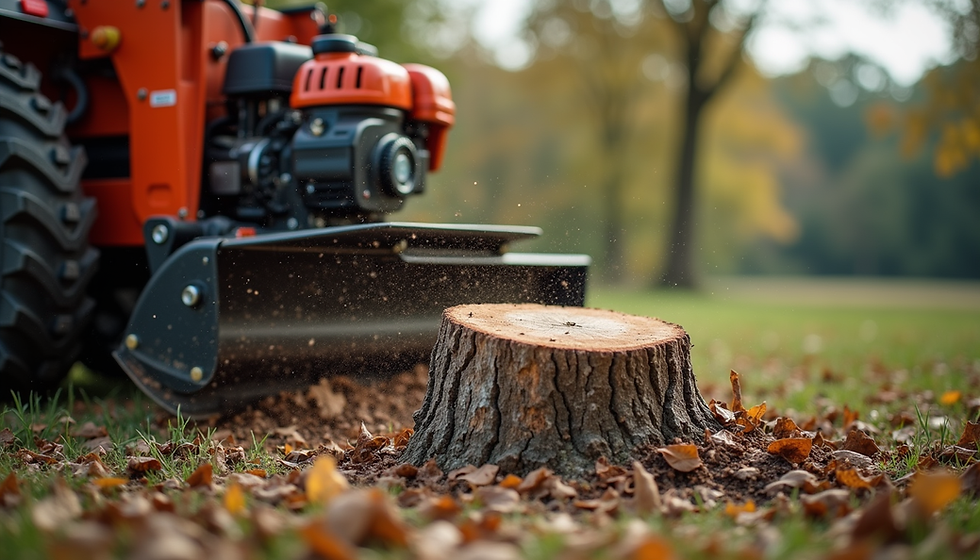
If the tree is beyond saving or poses a safety risk, removal is the best option. Professional tree removal ensures the job is done safely and efficiently.
6. Planting a Replacement Tree
After removal, consider planting a new tree suited to your property’s conditions. This helps maintain your landscape’s beauty and environmental benefits.
When to Act and Who to Call
Timing is important when dealing with a dying tree. Acting early can save the tree or prevent accidents. Here are some guidelines:
If you see minor signs like a few dead branches or leaf discoloration, start with pruning and care.
If the tree shows multiple signs of decline or structural instability, call a professional immediately.
For large trees near your home or power lines, do not attempt removal yourself. Hire a licensed tree service.
In Alabaster, Zamora Tree Service offers expert tree care, including health evaluations, pruning, pest control, and safe removal. They understand local tree species and conditions, providing affordable and reliable service.
Taking prompt action protects your property and keeps your landscape healthy.
Maintaining Tree Health for the Long Term
Preventing tree decline is easier than fixing it. Here are some tips to keep your trees healthy:
Water trees deeply during dry spells, especially young trees.
Mulch around the base to retain moisture and regulate soil temperature.
Avoid damaging roots with construction or heavy equipment.
Inspect trees regularly for signs of pests or disease.
Schedule annual tree health evaluations with a professional.
By following these steps, you can enjoy strong, healthy trees for years to come.
Recognizing and addressing a dying tree is essential for safety and landscape health. Use this guide to evaluate your trees, take timely action, and consult professionals when needed. Proper care and maintenance will keep your property safe and beautiful.


Comments